

astrology
which zodiac sun signs get along with others?
1 min read→
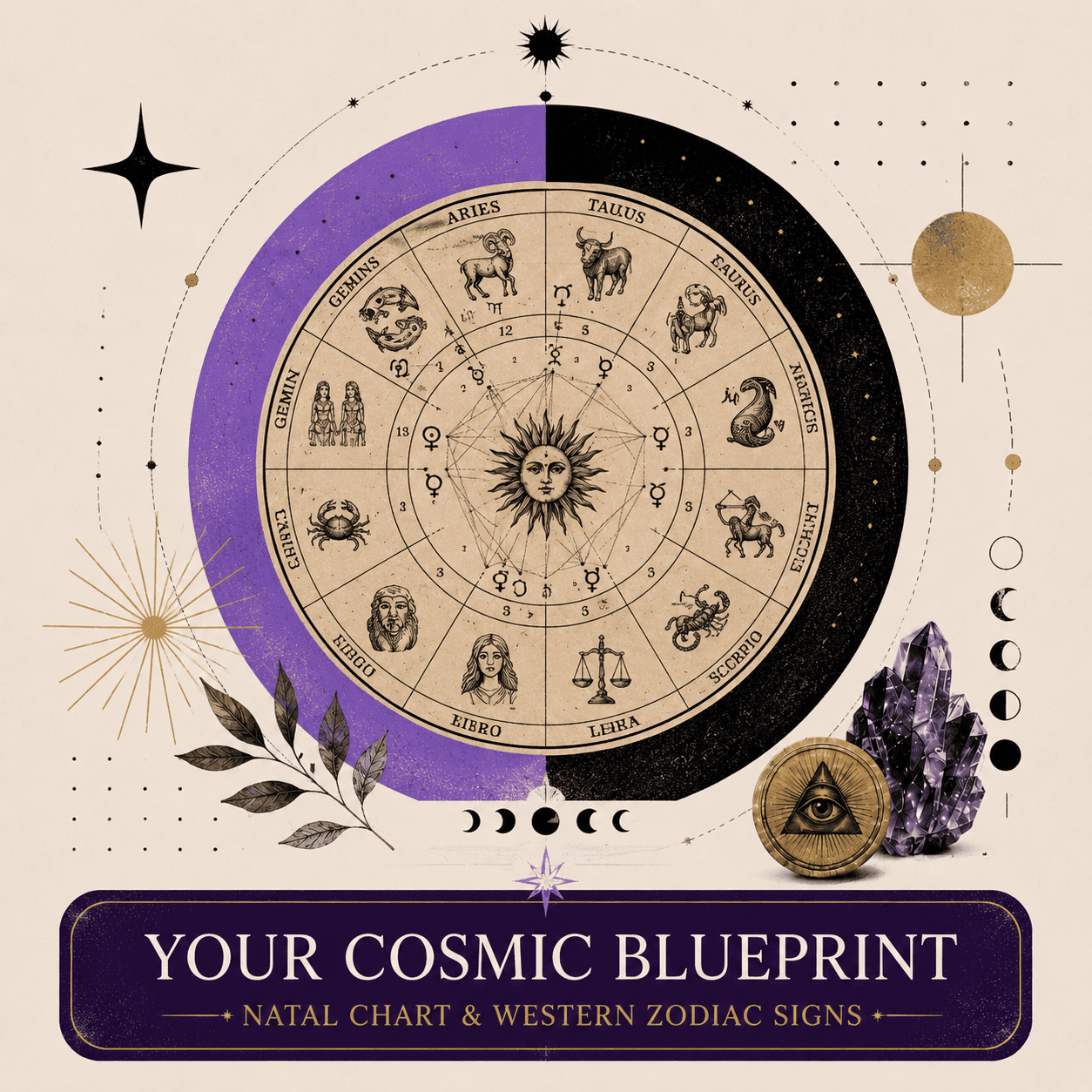
How to Read Your Natal Chart: A Step-by-Step Beginner's Tutorial including understanding the Big 3 - Sun sign, Moon sign and Rising Sign.
Your natal (birth) chart is a snapshot of the sky at the exact moment and place you were born. It maps where the Sun, Moon, planets, and other points sat in the zodiac—and in which areas of life (houses) they were active. Reading it might look intimidating, but with a simple framework you can start interpreting your chart in minutes.
Below is a clear, step-by-step tutorial to help you decode houses, planets, and aspects—with examples to make it stick.
•
You'll need:
•
Date of birth (day, month, year)
•
Exact time of birth (as close as possible; even ±15 minutes can shift your Rising sign)
•
Place of birth (city, country)
Without an accurate time, house placements and your Rising sign (Ascendant) may be off.
•
Start with the core trio that shapes your personality:
•
Sun sign: Your core identity, ego, and life purpose
•
Moon sign: Your emotional nature, instincts, and inner needs
•
Rising sign (Ascendant): How you appear to others and your approach to new situations
Example: If your Sun is in Leo, Moon in Scorpio, and Rising in Libra:
•
You express yourself with confidence and creativity (Leo Sun)
•
You feel deeply and seek emotional intensity (Scorpio Moon)
•
You come across as diplomatic, charming, and relationship-oriented (Libra Rising)
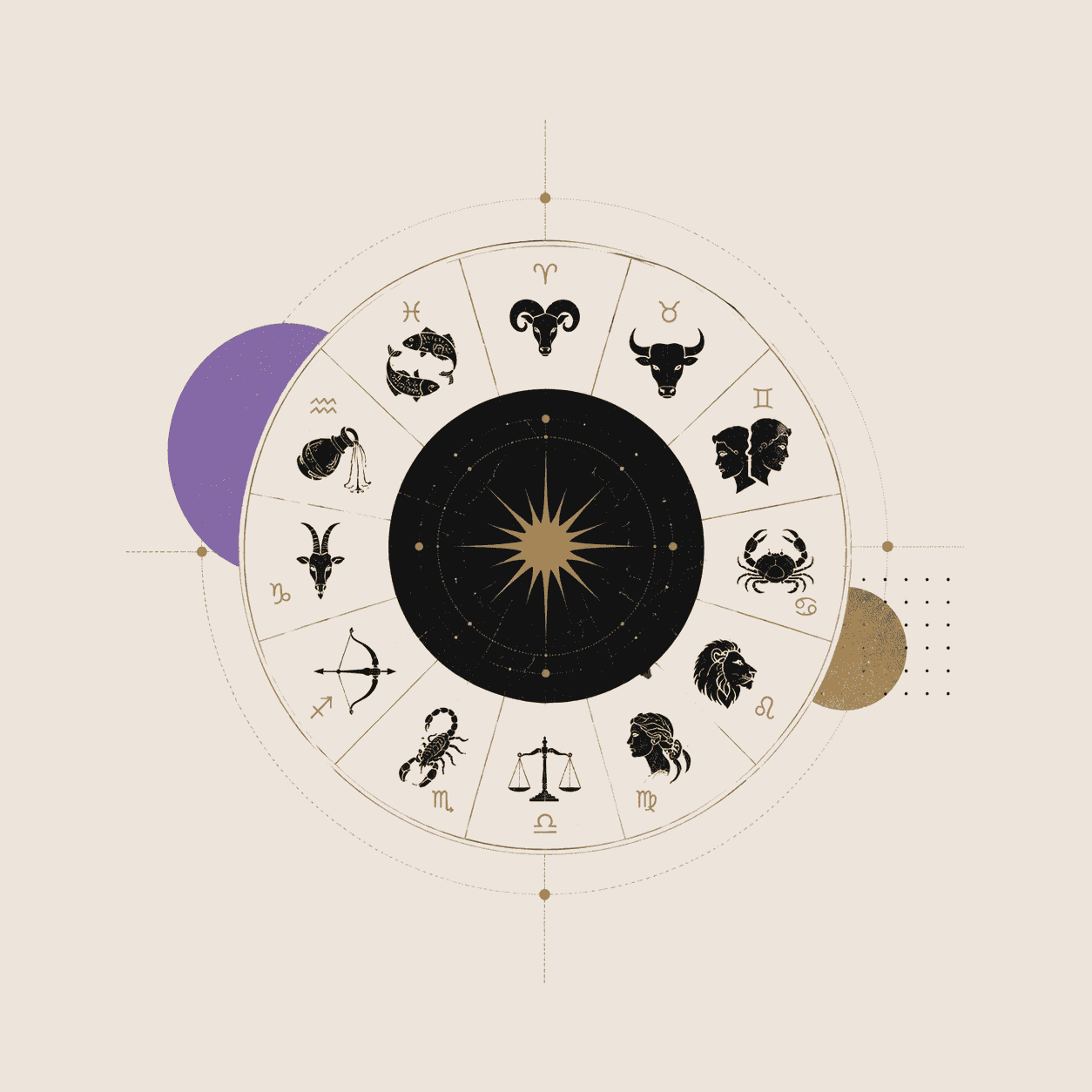
The chart is divided into 12 pie-shaped sections called houses. Each house represents a different area of life. Planets in a house activate that area with their energy.
House | Life Area | Example Interpretation
1st: Self, body, first impressions
Mars here = assertive, energetic presence
2nd: Money, possessions, self-worth
Venus here = valuing beauty, comfort, harmony in finances
3rd: Communication, siblings, short trips
Mercury here = curious mind, talkative, loves learning
House | Life Area | Example Interpretation
4th: Home, family, roots
Moon here = strong emotional ties to home and family
5th: Creativity, romance, play, children
Sun here = expressive, dramatic, loves being in the spotlight
6th:Work routines, health, service
Saturn here = disciplined work habits, health routines
7th: Partnerships, marriage, open enemies
Jupiter here = expansive, optimistic relationships
8th: Intimacy, shared resources, transformation
Pluto here = deep psychological transformations, intense bonds
9th:Higher learning, travel, philosophy
Neptune here = idealistic beliefs, spiritual seeking
10th: Career, public reputation
Capricorn on cusp = ambitious, structured career path
11th: Friends, groups, hopes
Uranus here = unconventional friendships, sudden group changes
12th: Subconscious, solitude, spirituality
Pisces here = intuitive, compassionate, drawn to meditation
•
How to read a house:
•
What sign is on the cusp? → Sets the tone
•
What planets are inside? → Activate that area
•
Where is the ruler of that sign? → Shows how that area connects elsewhere
•
Sun: Core identity
•
Moon: Emotions, instincts
•
Mercury: Communication, thinking
•
Venus: Love, values, aesthetics
•
Mars: Action, desire, assertiveness
•
Jupiter: Growth, luck, expansion
•
Saturn: Discipline, limits, lessons
•
Uranus: Innovation, sudden change
•
Neptune: Dreams, intuition, spirituality
•
Pluto: Transformation, power, depth
Example: Venus in the 10th house suggests you value harmony and beauty in your career, may work in arts or diplomacy, and want public recognition for your grace and taste.
Aspects are angles between planets that show how their energies interact. The main ones:
•
Conjunction (0): Blending, intensifying
•
Sextile (60): Easy flow, opportunity
•
Square (90): Tension, challenge, growth
•
Trine (120): Harmony, talent, ease
•
Opposition (180): Polarity, balance, projection
Example: Sun square Moon can mean inner conflict between what you want (Sun) and what you need emotionally (Moon)—a push-pull between ego and feelings.
Tip: Start with aspects to your Sun, Moon, and Rising—they're the most personally felt.
Formula:
•
Planet (what) + Sign (how) + House (where) + Aspects (relationship to other planets) = Your story
Worked example:
•
Mercury in Gemini in the 3rd house, trine Uranus in Aquarius (11th)
•
Mercury = communication
•
Gemini = quick, curious, versatile
•
3rd house = daily mind, siblings, short trips
•
Trine Uranus = innovative, sudden insights, tech-savvy
You're a fast, original thinker who loves sharing ideas, possibly through writing, teaching, or digital media. Friends may inspire your ideas, and you enjoy unconventional conversations.
•
Note your Rising sign and chart ruler
•
Read your Sun and Moon by sign and house
•
Scan which houses have planets (occupied vs. empty)
•
Check major aspects to Sun, Moon, and Rising
•
Add Venus, Mars, Mercury for love, drive, and communication style
•
Layer in Jupiter/Saturn for growth areas and life lessons
•
Use Uranus/Neptune/Pluto for generational themes unless they aspect personal planets tightly
Want to see all this in action with your own birth data?
•
Get your free natal chart now at www.kundalishuddhi.com and use our AI Astrologer to explore:
•
Tarot readings
•
Runes divination
•
Vedic astrology (Kundali)
•
Astrocartography (the only dedicated service in India)
•
Numerology insights
Unlock a multi-dimensional view of your destiny with AI-powered guidance—tailored just for you.
Subscribe to our newsletter for cosmic drops.

READY FOR PERSONALIZED INSIGHTS
START A READING →